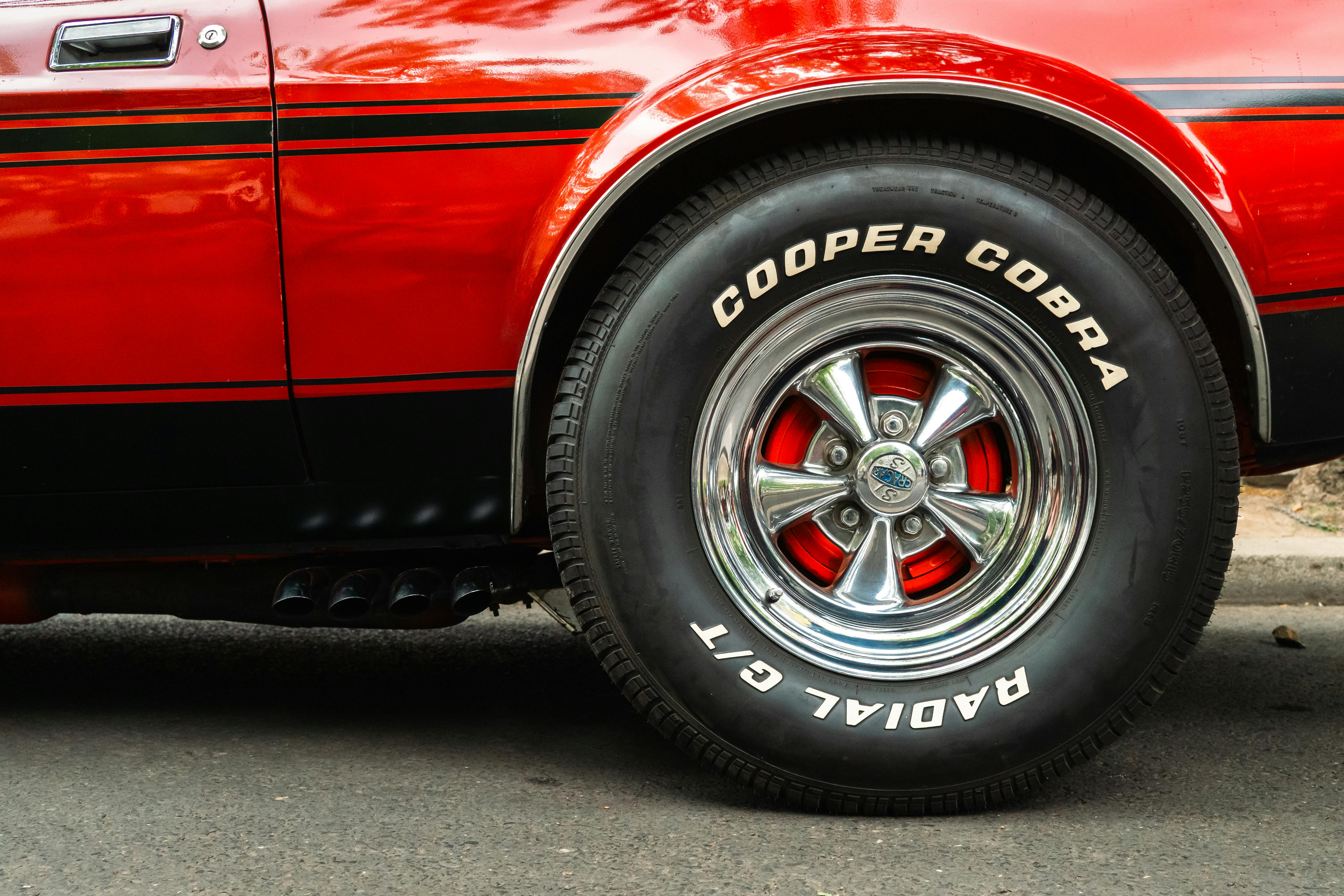
For owners of high-performance sports cars, the wheels are more than just a functional component – they are a statement of style, engineering precision, and driving pleasure. Upgrading to a set of street-ready wheels can dramatically improve handling, reduce unsprung weight, and give the vehicle a fresh visual identity. This guide walks through the essential considerations, technical benefits, and practical steps involved in selecting the perfect street wheels for a sports car, helping enthusiasts make an informed decision that balances performance and aesthetics.
Why Upgrade to Performance Street Wheels?
Modern sports cars already boast impressive chassis dynamics, but the wheel-rim package plays a pivotal role in extracting the maximum potential from the powertrain and suspension. Upgrading offers several measurable advantages:
- Reduced Unsprung Mass: Lighter alloys decrease the inertia of each wheel, allowing the suspension to react more quickly to road imperfections.
- Improved Grip: Wider rims accommodate lower-profile tires, expanding the contact patch for better cornering stability.
- Enhanced Braking: Larger diameters provide more room for high-performance brake calipers, improving heat dissipation.
- Custom Aesthetic: A well-chosen design can complement the car’s lines, creating a cohesive, aggressive look.
Key Factors to Evaluate Before Purchasing
Wheel Size and Fitment
Choosing the correct diameter and width is critical. While larger wheels look striking, they must fit within the wheel well without rubbing on suspension components. Use the vehicle’s OEM specifications as a baseline and consider a modest increase (typically 1-2 inches) to maintain optimal handling.
Material and Construction
Most high-end street wheels are forged or flow-formed aluminum, offering a balance of strength and lightness. Forged wheels are the lightest but come at a premium, whereas flow-formed wheels provide similar performance at a more accessible price point.
Offset and Backspacing
These dimensions dictate how the wheel sits relative to the hub. An incorrect offset can lead to steering pull, uneven tire wear, or clearance issues. Consult a fitment calculator or a professional installer to verify the correct values for a specific model.
Choosing the Right Design Aesthetic
The visual impact of a wheel set should harmonize with the car’s overall styling. Whether opting for a classic multi-spoke design or a modern mesh pattern, the choice should reflect personal taste while enhancing aerodynamic efficiency.
- Multi-spoke: Offers a timeless look and often provides better brake cooling.
- Mesh: Delivers a high-tech appearance with reduced drag.
- Concave: Adds depth and aggressiveness, popular among track-focused owners.
For a curated selection of designs that meet these criteria, Explore advanced guides and tips on the latest street-wheel offerings.
Performance Implications of Upgraded Wheels
Handling Dynamics
Lighter wheels lower the rotational mass, which translates to quicker acceleration and deceleration. The reduced inertia also allows the steering system to respond with greater precision, especially during rapid direction changes.
Ride Comfort
While low-profile tires improve handling, they can transmit more road harshness to the cabin. Selecting a tire compound that balances grip and comfort is essential, and pairing it with a wheel that has a slightly higher profile can mitigate excessive vibration.
Fuel Efficiency
Although the impact is modest, shedding a few kilograms of unsprung weight can lead to marginal improvements in fuel consumption, especially in stop-and-go traffic.
Installation and Maintenance Best Practices
- Professional Mounting: Have wheels mounted by a certified technician to ensure proper torque settings and balance.
- Regular Inspection: Check for cracks, corrosion, or bent spokes every 5,000 km.
- Cleaning Routine: Use pH-neutral wheel cleaners to preserve the finish and prevent brake dust buildup.
- Torque Verification: Re-torque lug nuts after the first 100 km of driving to confirm correct clamping force.
For a step-by-step overview of these procedures, Learn about our tailored solutions that guide owners through safe installation and upkeep.
Where to Find Quality Street Wheels
Reputable retailers specialize in curated collections that cater to sports car enthusiasts, offering detailed specifications, fitment guides, and customer support. By selecting a trusted source, owners gain access to authentic products, warranty coverage, and expert advice.
To browse a selection that combines performance, durability, and style, Discover expert strategies here. Each wheel set is accompanied by comprehensive data sheets, ensuring that the chosen model aligns with the vehicle’s engineering requirements.
Conclusion
Upgrading to performance street wheels is a strategic investment for sports car owners seeking sharper handling, improved braking, and a distinctive visual upgrade. By carefully evaluating size, material, offset, and design, and by following proper installation and maintenance protocols, enthusiasts can unlock the full potential of their machines while enjoying a personalized aesthetic. The right wheel package not only enhances driving dynamics but also reinforces the car’s identity on the road and the track.