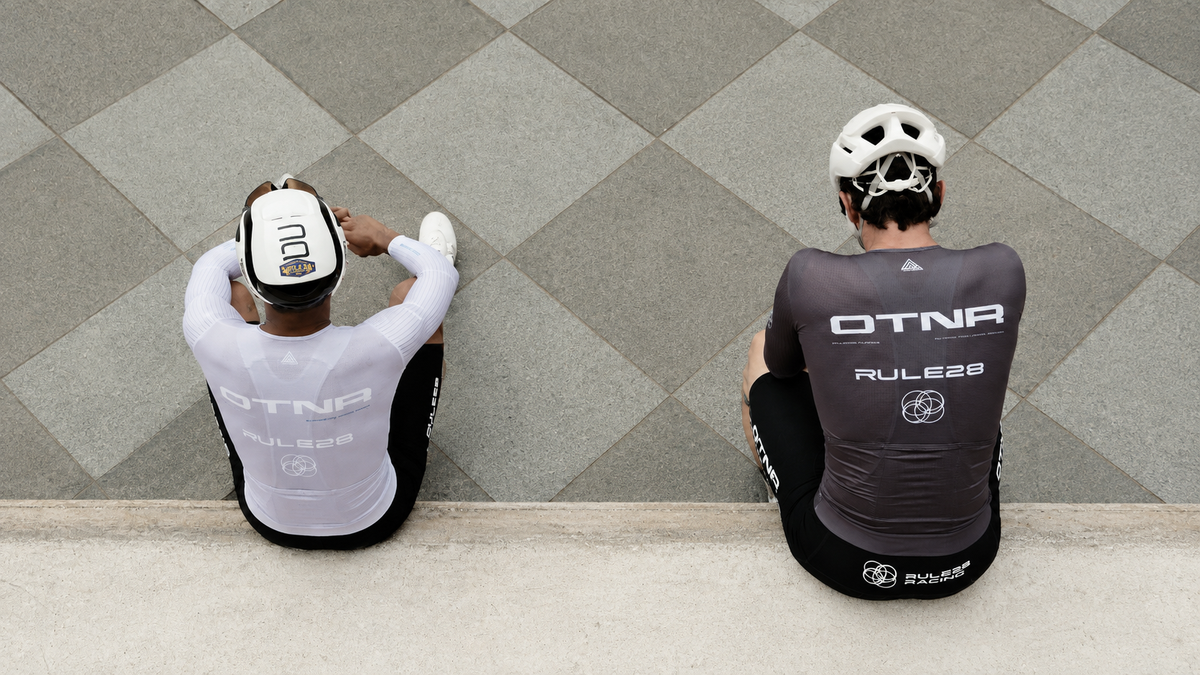
When the wind bites and every second counts, the clothing you wear can be the difference between a smooth glide and a tiring battle against drag. Aerodynamic cycling clothing is engineered to streamline the rider’s profile, allowing the bike to cut through the air with minimal resistance. By understanding the principles behind drag reduction and applying practical tips, cyclists of all levels can extract measurable speed gains on every ride, whether training on flat roads or tackling a time-trial course.
Understanding Aerodynamic Drag
Drag is the force that opposes forward motion, and in cycling it is primarily caused by air resistance. The drag equation shows that resistance grows exponentially with speed, meaning that a small improvement in clothing can yield a noticeable time saving at higher velocities. Key factors include:
- Frontal area: The larger the surface presented to the wind, the greater the drag.
- Shape: Smooth, tapered silhouettes allow air to flow more cleanly around the rider.
- Surface texture: Certain fabrics reduce turbulent flow, acting like a “skin” for the cyclist.
Choosing the Right Fabric and Fit
Modern aero cycling clothing blends high-tech fibers with precision tailoring. When selecting apparel, keep these criteria in mind:
Fabric Technology
- Low-porosity, tightly woven materials that limit air penetration.
- Hydrophobic treatments that shed water without adding weight.
- Micro-textured surfaces that promote laminar flow.
Fit and Compression
- Compression panels that hug the body, reducing flapping fabric.
- Seam placement along natural lines to avoid protrusions.
- Adjustable closures (zippers, Velcro) that fine-tune tightness without compromising comfort.
Practical Tips for Reducing Drag on Every Ride
Even the best performance cycling apparel can fall short if not used correctly. Below are actionable steps that translate engineering into real-world speed.
- Layer Strategically: Combine a sleek base layer with a fitted jersey and a tight-wristed jacket. Avoid bulky mid-layers that increase frontal area.
- Seal Gaps: Use ankle and wrist cuffs, as well as a well-fitted helmet, to eliminate air entry points.
- Maintain a Consistent Position: Keep elbows tucked and shoulders relaxed; a stable posture reduces turbulence.
- Choose Integrated Accessories: Opt for aero helmets, shoe covers, and streamlined water bottles that complement the clothing’s shape.
- Regular Maintenance: Clean garments with low-pH detergents to preserve fabric tension and aerodynamic properties.
Optimising Your Kit for Specific Scenarios
Different riding conditions call for tailored solutions. The following guidance helps you match clothing to the environment.
Flat, High-Speed Road
- Prioritise a full aero cycling kit with a tight-fit jersey and bib shorts.
- Use a low-drag helmet and consider a shoe-cover system to smooth the lower leg profile.
Rolling Terrain and Climbs
- Switch to a slightly looser fit that allows greater range of motion while still maintaining a streamlined silhouette.
- Employ breathable, moisture-wicking fabrics to manage sweat without adding bulk.
Cold Weather
- Layer a thin, aerodynamic wind-proof jacket over the base kit; avoid bulky insulation that disrupts airflow.
- Use thermal arm and leg sleeves that integrate seamlessly with the main garment.
Integrating Clothing with Other Aerodynamic Upgrades
Clothing is just one piece of the puzzle. For riders seeking the best cycling upgrades, consider these complementary adjustments:
- Wheel selection: Deep-section rims reduce drag at speed.
- Bike frame geometry: Aero frames align with the rider’s position.
- Component choices: Integrated brake shifters and hidden cables streamline the front end.
When these elements work in harmony with high-performance apparel, the cumulative effect can be described as cycling marginal gains, small improvements that add up to a substantial advantage.
Maintaining Performance Over Time
Even the most advanced fabrics degrade with repeated washes and exposure to UV light. Follow these care guidelines to preserve aerodynamic efficiency:
- Wash in cold water using a gentle cycle; avoid fabric softeners.
- Air-dry flat to prevent stretching that could alter the garment’s shape.
- Store in a cool, dark environment to protect against UV-induced weakening.
Conclusion: Small Changes, Big Results
Investing in quality aerodynamic cycling clothing and applying disciplined riding habits yields measurable speed improvements without sacrificing comfort. By selecting the right fabrics, ensuring a precise fit, and integrating the kit with other aerodynamic upgrades, cyclists can consistently shave seconds off each ride. Whether preparing for a race or simply chasing personal bests, these tips turn every pedal stroke into a more efficient, faster experience.