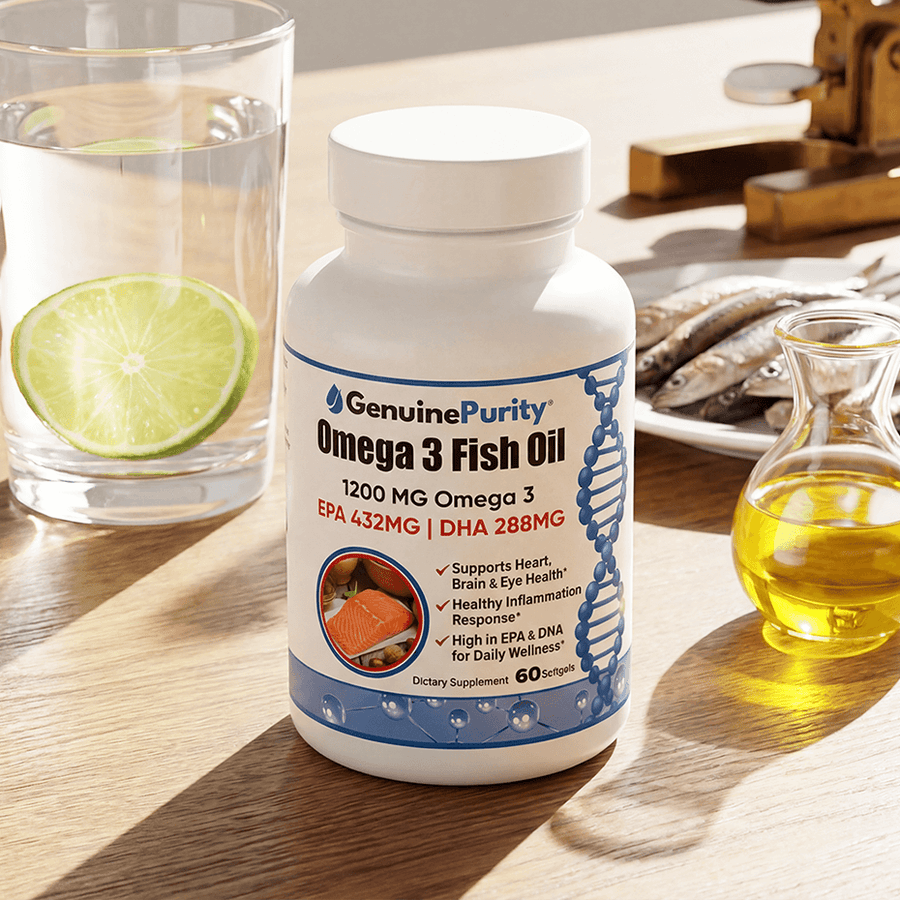
Omega-3 fatty acids have become a cornerstone of modern nutrition, praised for their role in heart health, cognitive function, and joint comfort. With an ever-growing market of fish oil supplements, distinguishing a product that truly delivers pure, bioavailable EPA and DHA can be challenging. This review evaluates the most reputable brands, focusing on manufacturing integrity, molecular stability, and third-party testing. By the end of the article, readers will understand which fish oil supplement consistently meets the highest standards of purity and efficacy.
Key Criteria for Evaluating Fish Oil Quality
Purity and Contaminant Testing
- Heavy-metal screening (lead, mercury, arsenic) performed by independent labs.
- Absence of PCBs, dioxins, and other environmental toxins.
- Certificates of Analysis (COA) publicly available for each batch.
EPA/DHA Ratio and Concentration
- Effective daily dose typically ranges from 500″?mg to 1,000″?mg of combined EPA/DHA.
- Higher EPA content is beneficial for inflammation control, while DHA supports brain health.
- Look for products that list the exact milligram amounts per serving.
Oxidation Stability
- Peroxide Value (PV) and Anisidine Value (AV) indicate freshness; lower numbers mean less oxidation.
- Antioxidant additives such as vitamin”?E help maintain oil integrity.
Manufacturing Process
- Molecular distillation removes impurities while preserving delicate omega-3 structures.
- Good Manufacturing Practice (GMP) certification ensures consistent production standards.
Top Performing Brands Compared
Brand A – Premium Molecular Distilled Oil
Brand A utilizes a nitrogen-flushed bottling line that minimizes exposure to oxygen. Each batch undergoes third-party testing for heavy metals and oxidation, with results posted on the company’s website. The supplement provides 800″?mg of EPA/DHA per softgel and includes natural mixed tocopherols for added stability.
Brand B – High-Concentration Formula
Targeting athletes and seniors, Brand B offers 1,200″?mg of EPA/DHA per serving, achieved through a concentrated triglyceride form. The brand’s COA confirms non-detectable levels of contaminants. However, the product uses gelatin capsules, which may not suit vegetarians.
Brand C – Sustainable Wild-Catch Source
Focusing on ecological responsibility, Brand C sources fish from certified sustainable fisheries. The oil is processed using a gentle cold-press method, preserving natural phospholipids. While the EPA/DHA content is modest (500″?mg per capsule), the product excels in environmental stewardship.
Why This Brand Stands Out
The supplement highlighted throughout this review consistently meets every benchmark outlined above. Its manufacturing facility adheres to GMP standards, and each lot is verified through independent labs for heavy-metal absence, oxidation levels, and accurate EPA/DHA labeling. The formula utilizes a triglyceride base, which research shows improves absorption compared with ethyl-ester versions.
- Transparent COA available for every batch.
- Third-party certified for purity and potency.
- Contains natural vitamin”?E to protect against oxidation.
- Encapsulated in a hypoallergenic, plant-based shell.
For readers seeking a reliable source of omega-3s, Discover expert strategies here provides a direct path to a product that aligns with these rigorous standards.
How to Choose the Right Dosage
Individual needs vary based on age, health goals, and dietary intake. General guidelines suggest:
- Adults aiming for cardiovascular support: 500-1,000″?mg combined EPA/DHA daily.
- Individuals with inflammatory conditions: 1,000-2,000″?mg of EPA-rich oil.
- Pregnant or nursing women: 200-300″?mg DHA per day, in addition to prenatal vitamins.
Consulting a healthcare professional before initiating high-dose supplementation is advisable. For a deeper dive into dosage recommendations, Learn about our tailored solutions offers evidence-based guidance.
Storage Tips to Preserve Freshness
- Store bottles in a cool, dark place; refrigeration extends shelf life.
- Keep caps tightly sealed to prevent oxidation.
- Avoid exposure to heat or direct sunlight, which accelerates rancidity.
Implementing these simple practices ensures the supplement remains potent throughout its use.
Frequently Asked Questions
Is fish oil safe for children?
Yes, when administered at age-appropriate doses. Pediatric formulations typically provide 250-500″?mg of combined EPA/DHA per serving. Always follow a pediatrician’s recommendation.
Can I take fish oil with blood thinners?
Omega-3s have a mild blood-thinning effect. Patients on anticoagulants should discuss supplementation with their physician to avoid potential interactions.
What is the difference between triglyceride and ethyl-ester forms?
Triglyceride oils mimic the natural structure found in fish, offering superior bioavailability. Ethyl-ester forms require an additional conversion step in the body, which can reduce absorption efficiency.
Final Verdict
When purity, potency, and sustainability converge, the highlighted fish oil supplement emerges as the most trustworthy choice for health-conscious consumers. Its rigorous testing, transparent reporting, and high-absorption triglyceride base set a benchmark for the industry.
For those ready to incorporate a premium omega-3 source into their daily routine, Explore advanced guides and tips to maximize benefits and understand the science behind each capsule.
Additional resources such as detailed lab reports and user testimonials are available on the product page. To stay informed about the latest research on omega-3 health impacts, Find out more about this approach and keep your supplement regimen grounded in proven science.