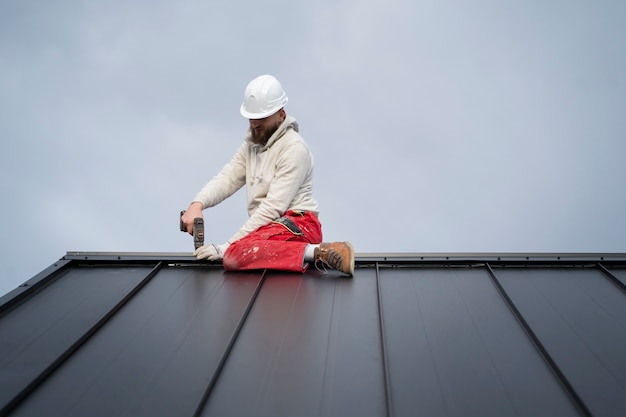
Solar panels generate clean energy, but their performance can drop dramatically when dirt, dust, and grime accumulate on the surface. Homeowners and businesses alike search for “clean solar panels near me” to keep their systems operating at peak efficiency. Choosing the right local provider involves more than just proximity; it requires evaluating expertise, safety standards, service flexibility, and transparent pricing. This guide walks you through the essential factors to consider, helping you select a professional cleaning service that protects your investment and maximizes output.
Why Regular Solar Panel Cleaning Matters
Even a thin layer of dust can reduce a panel’s output by up to 25 %. Over time, the loss compounds, affecting monthly electricity bills and the overall return on investment. Consistent cleaning also prevents long-term damage caused by abrasive particles and bird droppings, which can etch the glass surface.
- Performance boost: Clean panels can regain 5-15 % of lost efficiency after each service.
- Extended lifespan: Removing corrosive residues reduces the risk of micro-cracks.
- Safety compliance: Professional crews follow electrical safety protocols, protecting both the system and the occupants.
Key Criteria for Selecting a Local Provider
1. Proven Experience and Certifications
Look for companies that specialize in photovoltaic maintenance and hold relevant certifications such as ISO 9001 or industry-specific safety training. Experience with rooftop, ground-mount, and commercial installations indicates a broader skill set.
2. Transparent Pricing Structure
Clear quotes that break down labor, equipment, and any additional travel fees prevent hidden costs. Some providers offer subscription plans that include seasonal cleanings at a discounted rate.
3. Safety and Insurance
Working at height and around live electricity demands rigorous safety measures. Verify that the service provider carries public liability insurance and follows Australian standards for working on energized systems.
4. Eco-Friendly Cleaning Methods
Water-efficient techniques, biodegradable detergents, and low-impact tools reduce environmental footprints. Ask about water reclamation or dry-cleaning options if water usage is a concern.
5. Local Reputation and Reviews
Customer feedback offers real-world insight into reliability and quality. Check out customer reviews here to gauge satisfaction levels and typical response times.
How to Verify Service Quality
After narrowing down candidates, conduct a brief vetting process:
- Request a written estimate that includes a service checklist.
- Ask for references from recent residential or commercial jobs.
- Confirm the provider’s cleaning protocol aligns with manufacturer warranties.
- Ensure they perform a post-cleaning performance test (e.g., IV curve analysis).
Understanding the Cleaning Process
A reputable cleaning service follows a systematic approach:
- Site assessment: Identify shading, panel tilt, and access constraints.
- Pre-clean inspection: Document any damage before work begins.
- Gentle washing: Use soft-bristled brushes or low-pressure water systems to avoid scratching the glass.
- Rinse and dry: Ensure no water spots remain, which could cause streaking.
- Final inspection: Verify electrical connections and confirm restored performance.
Finding the Right Provider Near You
Start by searching for local specialists and then compare them against the checklist above. Many Melbourne-based firms publish detailed guides that can help you understand what to expect from a professional clean.
Discover expert strategies here to learn how a systematic cleaning schedule can keep your system humming.
For those interested in customized maintenance plans, Learn about our tailored solutions that adapt to seasonal dust levels and roof configurations.
Additional Tips for DIY Maintenance
If you prefer occasional self-cleaning, keep these safety reminders in mind:
- Never clean panels while the system is energized; shut down the inverter first.
- Use a soft, non-abrasive cloth and lukewarm water; avoid harsh chemicals.
- Clean on overcast days to prevent rapid drying and streak formation.
- Inspect for cracked glass or loose fittings after each session.
While DIY can handle light dust, professional cleaning remains the best choice for stubborn residues and warranty compliance.
Conclusion
Choosing the best local solar panel cleaning provider involves assessing expertise, safety practices, pricing transparency, and customer satisfaction. By following the criteria outlined above and leveraging reputable resources, such as the detailed guide found at Explore advanced guides and tips, homeowners can ensure their panels operate efficiently for years to come. Regular, professional cleaning not only safeguards performance but also protects the significant investment made in renewable energy technology.