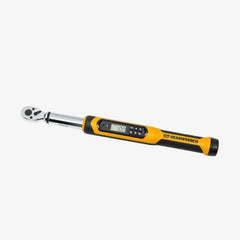
Equipping a garage with the right mechanic tools is essential for efficiency, safety, and the quality of work performed. Whether a professional shop or a hobbyist’s workspace, selecting tools that balance durability, versatility, and cost-effectiveness can make a significant difference in daily operations. This guide outlines the most valuable categories of mechanic tools, highlights key features to consider, and offers practical tips for making informed purchasing decisions.
Essential Hand Tools for Every Garage
Hand tools form the backbone of any mechanical work environment. They are used repeatedly and must withstand frequent stress. When choosing hand tools, focus on material quality, ergonomic design, and the range of sizes available.
Wrenches and Ratchets
- Combination wrenches – metric and SAE sizes for flexibility.
- Adjustable wrenches – useful for odd-sized fasteners.
- Ratchet sets with interchangeable sockets – speed up tightening and loosening tasks.
For a deeper dive into selecting the right socket and ratchet combinations, Read more about this topic.
Screwdrivers and Bits
- Flathead and Phillips sets – cover most standard applications.
- Torx and hex drivers – increasingly common in modern automotive fasteners.
- Magnetic tips – help retain screws and reduce drop losses.
Understanding the importance of proper torque control can improve outcomes; Learn more in this detailed guide.
Power Tools and Diagnostic Equipment
Power tools accelerate repetitive tasks and reduce manual fatigue. When integrating them into a garage, consider power source compatibility, safety features, and ease of maintenance.
Impact Wrenches
- Air-driven models – ideal for high-volume environments.
- Electric cordless units – offer mobility without the need for compressors.
- Variable speed control – provides precision for delicate components.
Choosing the appropriate impact wrench depends on workflow demands; Explore further insights here.
Diagnostic Scanners
- OBD-II scanners – essential for reading engine codes on modern vehicles.
- Bluetooth adapters – enable smartphone integration for real-time data.
- Multi-system capability – supports transmission, ABS, and airbag diagnostics.
For guidance on interpreting diagnostic data, Find additional information here.
Specialty Tools for Specific Tasks
Beyond the basics, certain jobs require specialized equipment to ensure accuracy and safety. Investing in these tools can prevent damage to components and improve repair quality.
Brake Service Tools
- Brake bleeder kits – simplify fluid evacuation and refill.
- Caliper piston retraction tools – essential for pad replacement.
- Disc resurfacing equipment – extends rotor life when used correctly.
Engine Work Accessories
- Harmonic balancer pullers – allow safe removal without damaging the crankshaft.
- Valve spring compressors – facilitate valve adjustment and replacement.
- Timing light sets – verify ignition timing for optimal performance.
Organizational Solutions for Tool Management
A well-organized garage reduces time spent searching for tools and enhances safety by keeping workspaces clear. Consider the following storage options:
- Modular tool chests – customizable compartments for different tool sizes.
- Wall-mounted pegboards – provide quick visual access to frequently used items.
- Rolling carts – enable mobility of heavy equipment across the shop floor.
Effective organization can also protect tools from wear; Read more about this topic.
Maintenance and Longevity Tips
Proper care extends the life of mechanic tools and maintains their performance. Adopt these routine practices:
- Clean tools after each use to remove oil, grime, and metal shavings.
- Apply light oil to moving parts to prevent rust and ensure smooth operation.
- Store tools in a dry environment; consider dehumidifiers for humid climates.
- Periodically inspect for wear, cracks, or loose handles and replace as needed.
For a comprehensive maintenance schedule, Learn more in this detailed guide.
Budgeting and Purchasing Strategies
Balancing quality with cost is crucial, especially for small garages or independent mechanics. Follow these strategies to maximize value:
- Prioritize core tool sets first; expand with specialty items as needed.
- Look for bulk-package deals that include complementary tools.
- Consider refurbished or gently used equipment from reputable sources.
- Track tool usage and replace only when performance degrades.
Smart purchasing decisions can be guided by industry standards; Explore further insights here.
Conclusion
Choosing the right mechanic tools involves evaluating durability, functionality, and cost while ensuring each piece supports the specific tasks performed in a garage. By focusing on essential hand tools, reliable power equipment, specialized accessories, and effective organization, a workshop can operate more efficiently and safely. Regular maintenance and thoughtful budgeting further protect the investment, allowing mechanics to deliver consistent, high-quality results for years to come.