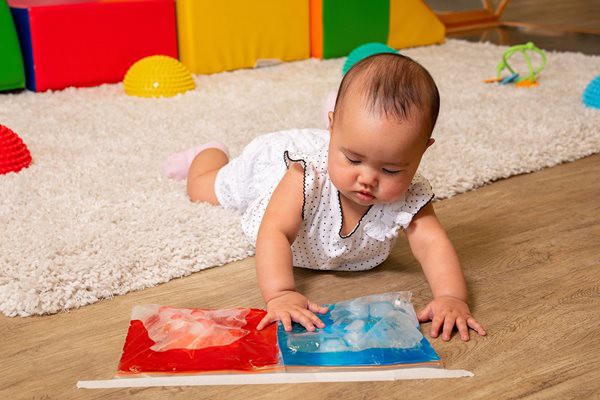
Sensory play is a crucial aspect of a baby’s early development, as it encourages exploration, learning, and cognitive growth. When engaging in sensory play, babies are exposed to a variety of textures, smells, tastes, and sounds, which helps them develop their senses and build a stronger connection with the world around them. Research has shown that sensory play can have a significant impact on a baby’s cognitive, emotional, and social development, making it an essential activity for parents and caregivers to incorporate into their daily routine.
Benefits of Sensory Play
Sensory play offers numerous benefits for babies, including improved cognitive development, enhanced sensory awareness, and increased emotional intelligence. By engaging in sensory activities, babies can develop their problem-solving skills, hand-eye coordination, and fine motor skills, all of which are essential for future academic and professional success. Additionally, sensory play can help reduce stress and anxiety in babies, promoting a sense of calm and well-being.
Exploring Sensory Play Activities
There are countless sensory play activities that parents and caregivers can engage in with their babies. Some popular options include:
- Water play: Fill a tub or container with water and add soap, sponges, and other objects for your baby to explore.
- Sand play: Create a sandbox or sensory bin filled with sand, beads, or rice for your baby to dig and discover.
- Music and movement: Put on some music and engage in dance or movement activities with your baby, such as clapping, marching, or twirling.
- Texture exploration: Provide your baby with a variety of textures, such as play dough, slime, or sandpaper, for them to explore and manipulate.
Creating a Sensory Play Environment
Creating a sensory play environment can be as simple as setting up a designated play area in your home. This can include a sensory bin, a ball pit, or a designated area for water play. When setting up your sensory play environment, consider the following tips:
- Use a variety of textures and materials to create a rich sensory experience.
- Encourage exploration and discovery by providing your baby with opportunities to touch, taste, and smell different objects.
- Supervise your baby at all times to ensure their safety and well-being.
Advanced Guides and Tips
For more information on creating a sensory play environment and engaging in sensory activities with your baby, be sure to check out the expert strategies available on Discover expert strategies here. Additionally, consider exploring the Learn about our tailored solutions for creating a sensory play environment that meets your baby’s unique needs and preferences.
Conclusion
Sensory play is a vital aspect of a baby’s early development, and parents and caregivers can play a significant role in encouraging this type of play. By providing a variety of sensory experiences and creating a sensory play environment, you can help your baby develop their cognitive, emotional, and social skills, setting them up for future success. Remember to always supervise your baby during sensory play and provide them with opportunities to explore and discover new things. For more information and advanced guides, be sure to check out the resources available on Explore advanced guides and tips.