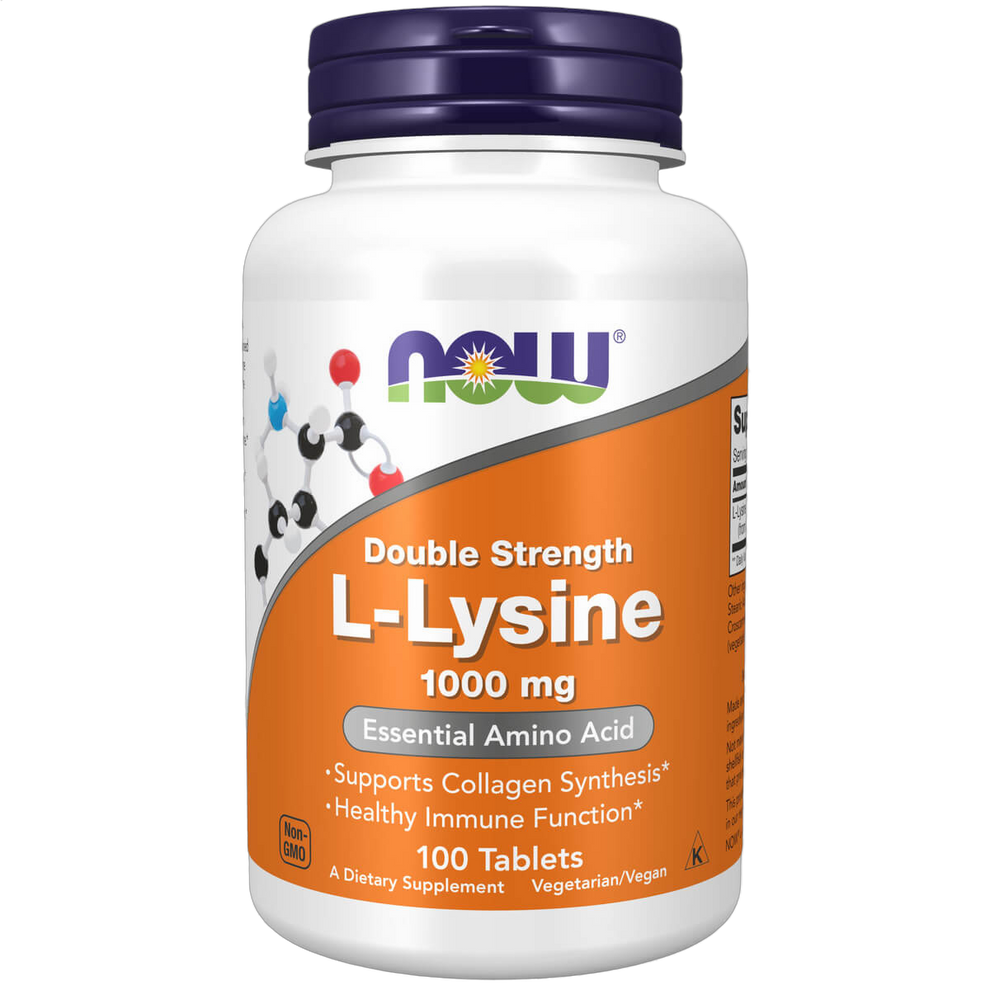
Lysine is an essential amino acid that plays a critical role in protein synthesis, collagen formation, and immune function. Because the body cannot produce lysine on its own, it must be obtained through diet or supplementation. When choosing a supplement, most consumers encounter two primary formats: tablets and powder. Both deliver the same active ingredient, yet they differ in convenience, dosage flexibility, absorption characteristics, and overall user experience. Understanding these nuances helps determine which form aligns best with individual health goals, lifestyle preferences, and budget considerations.
Key Differences Between Lysine Tablets and Powder
Formulation and Dosage Control
- Tablets: Pre-measured doses provide consistency and eliminate the need for measuring tools. Typical tablets contain 500″?mg to 1000″?mg of lysine per unit.
- Powder: Allows custom dosing by adjusting the amount mixed into liquids or foods. This flexibility is useful for athletes or individuals requiring higher or lower daily intakes.
Convenience and Portability
- Tablets: Easy to transport, no preparation required, ideal for travel, work, or on-the-go supplementation.
- Powder: Requires a shaker bottle or spoon for mixing, which can be less convenient in situations where water or a blender isn’t readily available.
Absorption and Bioavailability
- Both forms generally offer similar bioavailability when taken on an empty stomach. However, powders may dissolve faster, potentially leading to quicker absorption for some users.
- Tablet coatings can protect lysine from stomach acidity, which might be advantageous for those with sensitive digestive systems.
Taste and Palatability
- Tablets: Tasteless and odorless; no flavor concerns.
- Powder: Often flavored or unflavored; unflavored varieties may have a mild, earthy taste that some users find unpleasant.
When Tablets Might Be the Better Choice
- Individuals seeking a hassle-free, pre-measured supplement that fits easily into a daily pill routine.
- Travelers or professionals who need a compact, spill-proof option.
- People with limited time for preparation, such as busy parents or shift workers.
- Those who prefer a neutral taste and want to avoid the potential aftertaste of powders.
For a reliable selection of lysine tablets, Discover expert strategies here and compare formulations that meet specific dosage requirements.
When Powder May Be More Suitable
- Athletes or bodybuilders requiring precise macro-adjustments and the ability to stack lysine with other powdered supplements.
- Individuals with higher lysine needs, such as those managing recurrent herpes simplex outbreaks, who may benefit from flexible dosing.
- Consumers who enjoy mixing supplements into smoothies, juices, or protein shakes for a seamless nutrition boost.
- People who prefer cost-effective options, as powders often provide a lower price per gram compared to tablets.
Explore a range of high-quality lysine powders and read detailed usage tips by Learn about our tailored solutions.
Factors to Consider Before Making a Decision
Budget
While powders usually offer a lower cost per milligram, the initial purchase may seem larger due to bulk packaging. Tablets, though slightly pricier per dose, often come in smaller, more manageable bottles.
Dietary Preferences
If you follow a vegan or vegetarian diet, verify that the supplement source aligns with your restrictions. Both tablets and powders can be plant-based, but ingredient lists differ.
Potential Allergens
Some tablets contain binders, fillers, or coating agents that could trigger sensitivities. Powders may have fewer additives, but flavored versions sometimes include sweeteners or artificial flavors.
Storage Conditions
Tablets are less prone to moisture damage and generally have a longer shelf life. Powders require airtight containers and a dry environment to prevent clumping or degradation.
How to Optimize Lysine Supplementation
- Take lysine on an empty stomach (30″?minutes before a meal or 2″?hours after) to maximize absorption.
- Combine lysine with adequate vitamin C intake, as it supports collagen synthesis and overall immune health.
- Maintain consistent daily dosing; sporadic use reduces the supplement’s effectiveness.
- Consult a healthcare professional if you have pre-existing medical conditions or are pregnant, breastfeeding, or taking prescription medications.
For comprehensive guidance on integrating lysine into a balanced regimen, Explore advanced guides and tips that address timing, dosage, and synergistic nutrients.
Conclusion: Selecting the Form That Fits Your Lifestyle
The choice between lysine tablets and powder ultimately hinges on personal preferences, daily routines, and specific health objectives. Tablets excel in convenience, portability, and taste neutrality, making them ideal for individuals who value simplicity. Powders shine in dosing flexibility, cost efficiency, and the ability to blend seamlessly into existing nutrition plans, catering to athletes and those with higher dosage needs. By evaluating factors such as budget, dietary restrictions, and storage considerations, you can select the format that best supports your wellness goals. Whichever form you choose, consistent use and proper timing remain the cornerstones of effective lysine supplementation.
Ready to explore product options that align with your chosen format? Find out more about this approach and make an informed decision backed by scientific insight.